

Negligence Claims Explained by Local Premises Liability Law Experts: What You Need to Know
Over 250,000 slip-and-fall accidents occur each year, underscoring why understanding negligence claims explained by local premises liability law experts is essential. Readers will learn the core elements of negligence, how premises liability intersects with personal injury law, the step-by-step filing process, advantages of hiring local attorneys, and critical statutes of limitations. This guide equips claimants with actionable insights on duty of care, breach, causation, damages, evidence gathering, and deadlines under state law.
What Are the Key Elements of a Negligence Claim?
Negligence arises when one party’s failure to uphold a legal standard of reasonable care causes harm. A clear framework ensures accountability and fair compensation after incidents like a broken stair step causing a fall.
Before examining premises liability, consider the four fundamental elements:
- Duty of Care: A legal obligation requiring individuals to act with reasonable safety.
- Breach of Duty: Failure to meet the standard of care owed.
- Causation: Direct link between the breach and the injury sustained.
- Damages: Measurable losses, such as medical bills or pain and suffering.
These elements form the foundation for both general negligence and property-based claims.
Key Elements of Negligence
Negligence claims require establishing four key elements: duty of care, breach of duty, causation, and damages [7]. These elements form the foundation for both general negligence and property-based claims.
This source emphasizes the importance of understanding the elements of negligence in premises liability cases, which aligns with the article’s focus on explaining these elements.
What Is Duty of Care in Negligence Claims?

Duty of care refers to a legal obligation requiring individuals to adhere to a standard of reasonable care to prevent harm. It ensures that defendants, such as property owners or professionals, anticipate risk and act to avoid injuries. For example, a shopkeeper must maintain safe walkways for customers, establishing the premise for proving negligence.
Duty of Care Defined
Duty of care is a legal obligation requiring individuals to adhere to a standard of reasonable care to prevent harm [6, 9, 11]. Property owners must maintain safe environments for visitors.
This citation supports the article’s explanation of duty of care, which is a fundamental concept in premises liability.
How Is Breach of Duty Defined and Proven?
A breach of duty occurs when a defendant’s conduct falls below the expected standard of care. Proving breach involves comparing actions against what a “reasonable person” would do, supported by expert testimony, safety codes, or industry practices. Demonstrating that the defendant ignored known hazards solidifies this element.
What Role Does Causation Play in Negligence?
Causation connects the breach of duty directly to the injury. Establishing cause-in-fact and proximate cause shows that but for the breach, the harm would not have occurred. This element ensures that only those injuries closely tied to negligent acts qualify for recovery.
What Types of Damages Can Be Recovered?
Before detailing premises liability steps, understand the categories of compensation available:
| Damage Type | Definition | Example |
|---|---|---|
| Economic Damages | Tangible financial losses | Medical bills, lost wages |
| Non-Economic Damages | Intangible harms | Pain and suffering, emotional distress |
| Punitive Damages | Additional sums to punish egregious conduct | Court-awarded penalty against defendant |
Recovering these damages requires precise documentation linking each loss to the negligent act.
How Does Premises Liability Relate to Negligence Claims?
Premises liability extends negligence principles to property conditions that cause injury. Property owners and occupiers owe visitors a duty of care to maintain safe environments, making them accountable under tort law.
Premises Liability and Negligence
Premises liability extends negligence principles to property conditions that cause injury [4, 7, 12]. Property owners and occupiers owe visitors a duty of care to maintain safe environments, making them accountable under tort law.
This source clarifies the relationship between premises liability and negligence, which is a key topic in the article.
What Is Premises Liability and Who Is Responsible?
Premises liability holds owners and occupiers accountable for injuries caused by unsafe conditions on their property. Whether homeowner, landlord, or business operator, defendants must inspect, warn, and remedy hazards such as wet floors or broken railings.
How Does Duty of Care Vary by Visitor Type?
Different visitor statuses carry distinct obligations for property owners, influencing legal outcomes:
| Visitor Type | Owed Duty | Example |
|---|---|---|
| Invitee | Regular inspection and repair of known hazards | Customer browsing retail store |
| Licensee | Warning of concealed dangers | Social guest aware of slippery patio |
| Trespasser | Avoid willful or wanton harm | Uninvited person discouraged from yard |
Understanding these distinctions clarifies who qualifies for compensation under premises liability.
What Are Common Types of Premises Liability Cases?
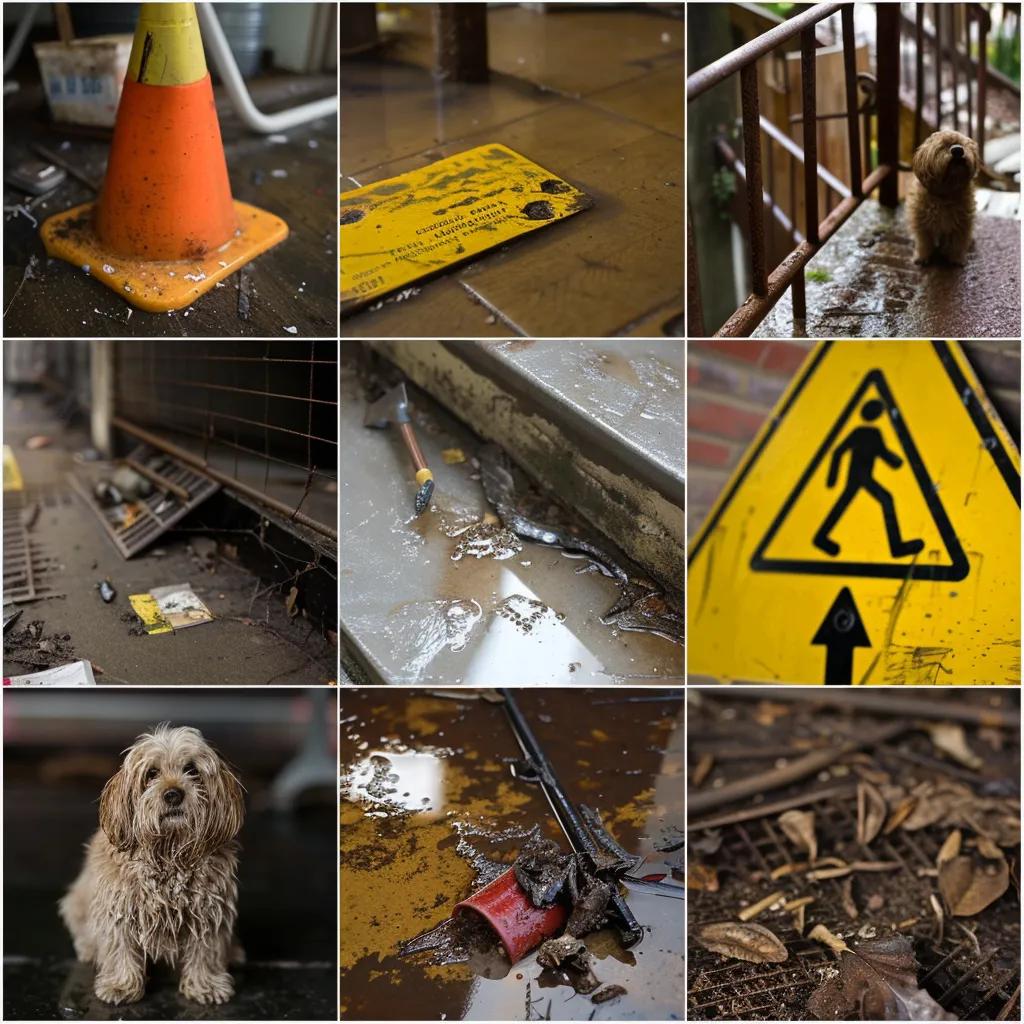
- Slip-and-fall accidents on wet or uneven surfaces.
- Negligent security leading to assaults in parking lots.
- Dog bites resulting from inadequate restraint.
- Swimming pool incidents due to lack of fencing.
These examples show how unsafe conditions trigger liability and shape evidence requirements.
How Is Premises Liability Proven in Court?
Proving liability requires demonstrating an unsafe condition, the owner’s knowledge (actual or constructive), and a causal link to injury. Key evidence includes:
- Photographs of the hazard at the scene
- Maintenance and inspection logs
- Eyewitness statements and expert reports
Solid proof of these factors builds a compelling case.
What Are the Steps to File a Negligence or Premises Liability Claim?
Filing a claim involves systematic documentation and legal action to secure recovery for losses caused by another’s negligence. Early steps set the foundation for a successful outcome.
How Do You Start a Premises Liability Claim?
To initiate a claim, follow these steps:
- Seek medical attention immediately to document injuries.
- Document the scene with photographs and hazard descriptions.
- Notify the property owner in writing about the incident.
- Consult a local premises liability expert to evaluate your rights.
These actions protect evidence and trigger legal obligations for defendants.
What Evidence Is Needed to Support Your Claim?
A robust claim rests on proof of each negligence element:
- Records showing the defendant owed a duty of care.
- Photographs or reports demonstrating breach of that duty.
- Medical reports linking injury to the breach.
- Invoices and pay stubs detailing economic damages.
Gathering this evidence early strengthens negotiating leverage and trial readiness.
How Can a Local Premises Liability Expert Help You?
Local premises liability experts guide claimants through complex statutes, tailor strategies to regional case law, and negotiate with insurers effectively. Their expertise in local courts, procedural rules, and regional evidence standards enhances the likelihood of a favorable resolution.
Why Choose Local Premises Liability Law Experts for Your Negligence Claim?
Local attorneys offer specialized knowledge of state statutes, county-specific legal timelines, and relationships with court personnel, positioning clients for efficient and comprehensive representation.
What Are the Advantages of Hiring Local Attorneys?
- Familiarity with local judges and procedural nuances.
- Swift access to area inspectors and expert witnesses.
- Established reputation in community legal circles.
This local insight expedites case progress and improves outcome certainty.
How Do Local Experts Handle Premises Liability Cases Differently?
Local experts leverage regional case law, engage investigators promptly, and tailor evidence collection to jurisdictional expectations. This targeted approach yields stronger proof chains and maximizes recovery.
Where Can You Find Trusted Local Premises Liability Lawyers?
Trusted practitioners are listed on state bar association directories, verified through legal review platforms, and recommended by community referrals. These channels ensure you connect with qualified, reputable counsel.
What Are the Statute of Limitations and Legal Timeframes for Negligence Claims?
Statutes of limitations set deadlines for filing lawsuits, preventing indefinite exposure to liability. Timely action preserves legal rights and avoids forfeiture of claims.
Statute of Limitations
Statutes of limitations set deadlines for filing lawsuits, preventing indefinite exposure to liability [5, 8, 10]. Timely action preserves legal rights and avoids forfeiture of claims.
This citation supports the article’s discussion of statutes of limitations and their importance in premises liability claims.
How Long Do You Have to File a Premises Liability Claim?
Different states impose varying filing deadlines:
| Jurisdiction | Timeframe to File |
|---|---|
| California | 2 years |
| New York | 3 years |
| Texas | 2 years |
State deadlines reflect legislative balances between claimant protection and legal certainty.
What Happens If You Miss the Deadline?
Missing a statute of limitations generally bars recovery unless specific exceptions apply, such as:
- Tolling for minors or incapacitated plaintiffs.
- Delayed discovery when injury causes were hidden.
- Fraudulent concealment of hazardous conditions.
These exceptions require legal counsel to navigate complex tolling rules.
Laying out the elements of negligence and premises liability empowers potential claimants to act swiftly and effectively. Securing medical records, documenting hazards, and contacting local premises liability law experts early ensures all legal requirements are met. By leveraging regional expertise, claimants maximize their chances of full compensation for medical expenses, lost income, and non-economic losses. Don’t wait—reach out to experienced local attorneys to protect your rights and obtain the justice you deserve.
Frequently Asked Questions
What Types of Evidence Are Most Effective in Premises Liability Cases?
In premises liability cases, effective evidence includes photographs of the accident scene, maintenance records, and eyewitness statements. Photographs should clearly show the hazardous conditions that contributed to the injury. Maintenance logs can demonstrate whether the property owner was aware of the issue and failed to address it. Eyewitness accounts can corroborate your version of events, adding credibility to your claim. Collecting this evidence promptly is crucial, as it strengthens your case and supports your claims of negligence.
How Can I Prepare for a Consultation with a Local Attorney?
To prepare for a consultation with a local attorney, gather all relevant documents related to your case. This includes medical records, photographs of the accident scene, and any correspondence with the property owner or insurance companies. Write down a detailed account of the incident, including dates, times, and any witnesses. Be ready to discuss your injuries and how they have impacted your life. This preparation will help the attorney assess your case more effectively and provide tailored legal advice.
What Are the Potential Outcomes of a Premises Liability Claim?
The potential outcomes of a premises liability claim can vary significantly. Successful claims may result in compensation for medical expenses, lost wages, and pain and suffering. Settlements can occur before trial, often leading to quicker resolutions. However, if the case goes to court, a judge or jury will determine the outcome based on the evidence presented. In some instances, claims may be dismissed if the evidence does not sufficiently prove negligence. Understanding these outcomes can help you set realistic expectations for your case.
What Should I Expect During the Claims Process?
During the claims process, you can expect several key steps. Initially, you will gather evidence and document your injuries. Next, you will file a claim with the property owner’s insurance company, which will investigate the incident. This may involve interviews and additional evidence collection. If negotiations do not lead to a satisfactory settlement, your attorney may recommend filing a lawsuit. Throughout this process, communication with your attorney is vital to ensure you understand each step and make informed decisions.
Are There Any Costs Associated with Hiring a Local Attorney?
Yes, there can be costs associated with hiring a local attorney, but many work on a contingency fee basis. This means they only get paid if you win your case, typically taking a percentage of the settlement or award. However, you may still incur costs for court fees, expert witness fees, and other expenses related to your case. It’s essential to discuss these potential costs upfront with your attorney to understand your financial obligations and ensure transparency throughout the process.
What Impact Does the Location of the Incident Have on My Claim?
The location of the incident significantly impacts your claim due to varying state laws and regulations regarding premises liability. Each state has different statutes of limitations, standards of care, and legal precedents that can affect your case. Additionally, local courts may have specific procedures and practices that influence how claims are handled. Hiring a local attorney familiar with these nuances can enhance your chances of a successful outcome by ensuring compliance with local legal requirements.
Conclusion
Understanding negligence claims and premises liability is crucial for anyone seeking justice after an injury. By grasping the key elements of duty of care, breach, causation, and damages, claimants can effectively navigate the legal landscape. Engaging local premises liability experts ensures tailored guidance and maximizes the potential for compensation. Take the first step towards securing your rights by consulting with a qualified attorney today.
